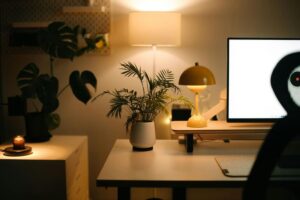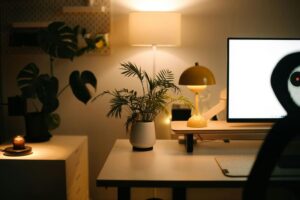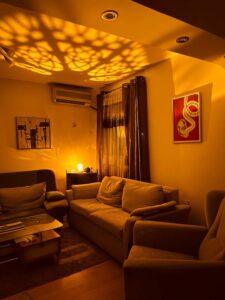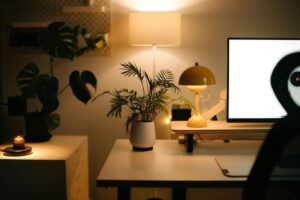
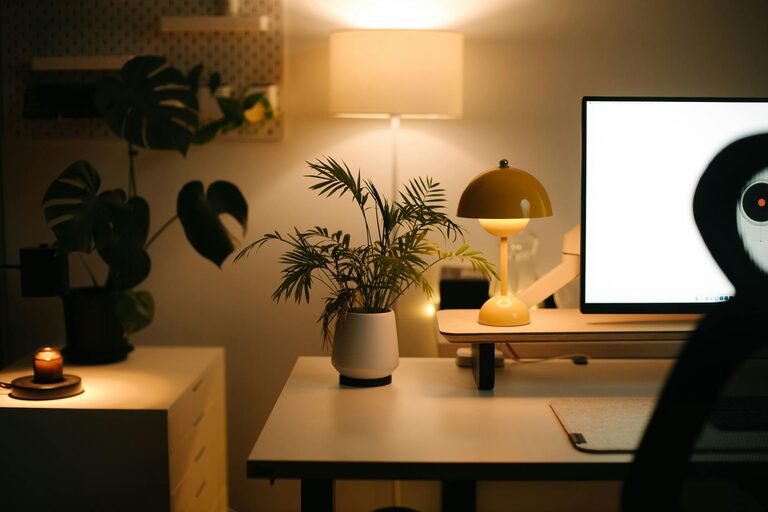
Creating a relaxing home workspace is essential for maintaining productivity and comfort throughout the day. Whether you work from home full-time or occasionally, your environment can greatly influence your focus, mood, and overall work experience. In this post, we’ll explore practical tips to help you design a home office space that promotes relaxation and efficiency.
Why a Relaxing Workspace Matters
A well-designed workspace reduces stress and distraction, making it easier to stay on task. When your environment feels comfortable and inviting, you’re more likely to enjoy your work and maintain motivation. A relaxing space also helps prevent burnout, which is especially important when your home doubles as your office.
Choosing the Right Location
Start by selecting an ideal spot for your workspace. Ideally, this area should be quiet, well-lit, and distinct from high-traffic zones in your home.
– Natural light: Position your desk near a window if possible. Natural light boosts mood and alertness.
– Privacy: Choose a space where you can close a door or create boundaries to limit interruptions.
– Space: Make sure there’s enough room for your equipment and movement without feeling cramped.
Ergonomic Furniture for Comfort and Health
Comfort is key to productivity, and investing in ergonomic furniture is one of the smartest choices.
– Chair: Use an adjustable chair with good lumbar support to prevent back pain.
– Desk: Consider the right height for your desk so your arms rest comfortably while typing.
– Accessories: A footrest or monitor stand can improve posture and reduce strain.
Declutter and Organize
A cluttered desk can lead to a cluttered mind. Keeping your workspace tidy promotes calm and makes it easier to find what you need.
Tips for organization:
– Use cable organizers to manage cords neatly.
– Employ drawer dividers or small containers for office supplies.
– Develop a daily habit of clearing your desk at the end of each workday.
Incorporate Soothing Elements
Adding personal touches and calming elements can make your workspace inviting and stress-free.
– Plants: Indoor plants improve air quality and create a relaxing atmosphere.
– Colors: Choose soft, neutral, or pastel colors for your walls and accessories to reduce eye strain and promote calm.
– Lighting: Use warm lighting, such as desk lamps with adjustable brightness, to avoid harsh overhead lights.
Minimize Distractions
To maximize focus, control noise and digital interruptions.
– Noise control: Use headphones or white noise machines to mask distracting sounds.
– Digital breaks: Set specific times to check emails and social media to avoid constant interruptions.
Create a Routine and Personal Comfort
Having a daily routine can help your brain associate your workspace with productivity.
– Start with a ritual: A simple morning routine, like a cup of tea or a few minutes of stretching, sets a positive tone.
– Comfort items: A cozy blanket or favorite mug can add warmth to your environment and reduce stress.
Maintain Good Air Quality and Temperature
Comfort isn’t just about furniture—air quality and temperature matter too.
– Open a window regularly to let fresh air in.
– Use a fan or heater to maintain a comfortable temperature.
– Consider an air purifier if your workspace is in a space prone to dust.
Use Technology Wisely
Technology can boost productivity when used thoughtfully.
– Apps: Use focus-enhancing apps like timers or task managers.
– Setup: Arrange monitors and keyboards ergonomically to reduce strain.
– Backup: Keep digital files organized and backed up to prevent stress from data loss.
Take Regular Breaks
Finally, no workspace can compensate for long periods without rest.
– Follow the Pomodoro Technique or similar, working in focused bursts followed by short breaks.
– Stand up, stretch, or take a brief walk to refresh your mind and body.
—
Designing a relaxing home workspace takes some planning, but the benefits to your comfort and productivity are well worth the effort. By considering location, comfort, organization, and calming touches, you can create an environment that supports your best work every day. Try experimenting with these tips and adjust your space as needed to suit your personal style and work habits.