
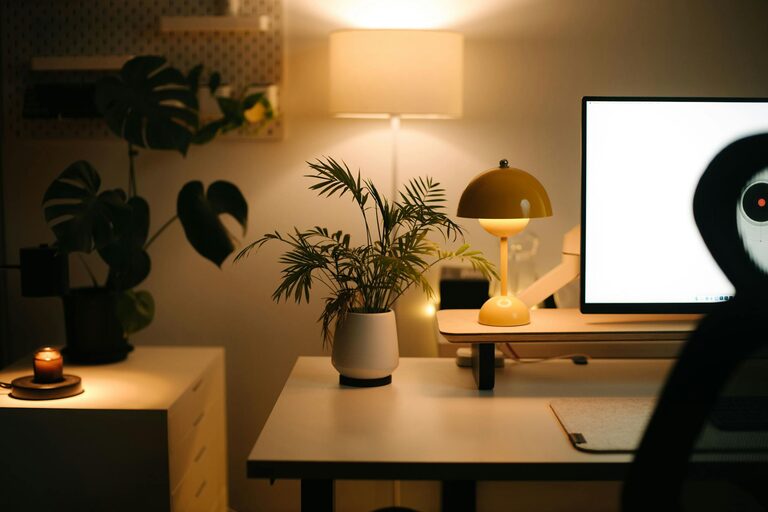
Working from home has become a common part of many people’s lives. Creating a home office that feels inviting while helping you stay focused is essential for productivity and well-being. In this post, we’ll explore practical tips to design a cozy and productive home office space that motivates you every day.
Choose the Right Location
Picking the right spot in your home is the first step to a great office setup.
– Natural Light: Aim for a space near a window to enjoy natural daylight. It boosts mood and reduces eye strain.
– Quiet Environment: Choose an area away from high-traffic zones to minimize distractions.
– Space Availability: Make sure there’s enough room for your desk, chair, and any necessary equipment.
If you don’t have a dedicated room, consider using a corner in your living area, bedroom, or even a walk-in closet with proper setup.
Invest in Ergonomic Furniture
Comfort plays a crucial role in both coziness and productivity.
– Ergonomic Chair: Select a chair with good lumbar support to keep your back healthy during long hours.
– Adequate Desk Height: Your desk should allow your forearms to rest comfortably parallel to the floor.
– Adjustable Furniture: Consider desks and chairs that can be adjusted to your height and preferred posture, including standing desk options.
Not only will ergonomic furniture reduce physical discomfort, but it will also help you maintain focus.
Organize with Purpose
A tidy and well-organized workspace encourages productivity and reduces stress.
– Declutter Regularly: Keep only the essentials on your desk to minimize distractions.
– Storage Solutions: Use shelves, drawers, or organizers to store papers, books, or office supplies neatly.
– Cable Management: Use clips or cable organizers to keep cords out of sight and prevent tangling.
A clean and organized office space can make your workflow smoother and more enjoyable.
Add Personal and Cozy Touches
Your office should feel welcoming to keep you motivated.
– Soft Lighting: Use table lamps or floor lamps with warm bulbs instead of harsh overhead lighting.
– Plants: Adding greenery can improve air quality and create a calming atmosphere.
– Decor: Incorporate artwork, photos, or inspirational quotes that resonate with you.
– Comfort Items: Keep a cozy blanket or cushion nearby for breaks or relaxation.
Balancing professionalism with personal comfort creates a space where you want to spend time.
Optimize Technology Setup
Reliable technology is the backbone of an efficient home office.
– Quality Equipment: Invest in a good monitor, keyboard, mouse, and a headset if needed.
– Wi-Fi Connectivity: Ensure strong internet connection; consider a wired connection for stability.
– Backup Tools: Keep chargers, power strips, and surge protectors easily accessible.
Setting up your technology thoughtfully reduces interruptions and supports smooth work sessions.
Manage Noise and Distractions
Maintaining focus requires controlling your environment.
– Noise-Canceling Headphones: Useful if your home is noisy or you prefer to listen to music or white noise.
– Soundproofing: Add rugs, curtains, or acoustic panels to reduce echo and outside noise.
– Set Boundaries: Inform household members about your working hours and the importance of minimizing interruptions.
Quiet work conditions help you concentrate and enhance productivity.
Design a Schedule-Friendly Space
Your office should align with your daily workflow.
– Separate Work and Break Areas: If possible, have a designated spot for breaks to help mentally separate work from rest.
– Task Zones: Create distinct areas or organizational methods for different types of work—like computer work, paperwork, or brainstorming.
– Visual Cues: Use calendars, whiteboards, or planners within reach to organize your tasks and deadlines.
A structured environment complements your schedule and increases efficiency.
Maintain Good Air Quality and Temperature
Physical comfort includes the air you breathe and the room temperature.
– Ventilation: Open windows regularly or use air purifiers to keep the air fresh.
– Temperature Control: Use fans, heaters, or air conditioners to maintain a comfortable temperature.
– Humidity Levels: Consider adding a humidifier if the air is dry.
Comfortable temperature and air quality prevent fatigue and promote alertness.
Final Thoughts
Creating a cozy and productive home office is about balancing comfort, organization, and functionality. Prioritizing ergonomic furniture, optimizing your layout, managing distractions, and personalizing your space can transform your home office into a place where you enjoy working and accomplishing your goals.
By applying these tips, you’ll build a work environment that supports your well-being and professional success from the comfort of your own home.